
Taking honey with warm water offers modest benefits: it adds fluid to your day, can ease a sore throat and gives a gentle energy lift. It is not a cleanse or a weight-loss fix, and it still counts as sugar.
The ritual is simple: one glass of warm water with a spoonful of honey, which brings small amounts of essential minerals. Many people use it as a gentler swap for coffee and its caffeine, and I find that framing it as a swap rather than a remedy keeps expectations realistic.
Long-standing uses range from indigestion and infections to building resistance against illness. Proposed effects on arterial inflammation and heart disease are preliminary, and claims about complexion, radiance and skin texture are weaker still. Honey water is no substitute for prescribed treatments.
Honey works well in warm water because natural honey dissolves in it quickly and spreads evenly through the drink. That even spread is the main reason the pairing is popular, and it makes the drink easier to finish than a spoonful on its own.
Some people call honey a golden elixir; I would call it a concentrated sugar with a few extra compounds, and its taste varies from batch to batch. Honey also carries digestive enzymes, and many people feel the combination eases the flow of digestive juices and supports gut health. It is described as antifungal too, which partly explains its long use at home.
Treat the bigger claims with care. Honey water is said to cause no energy crashes and to ensure efficient nutrient transport at the cellular level, but no study is cited for either. Quality matters as well: adulterated honey may contain refined sugars or syrups that cancel the advantages.
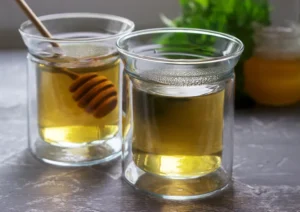
Honey water is made by stirring honey into lukewarm water, never into water that is extremely hot.
The timing matters less than the temperature. Water hot enough to cause burning in the mouth may also affect some delicate compounds in honey. Warm water is also said to aid absorption, so a safe test is to touch the mug: it should feel comfortably warm, not hot.
Honey water can help digestion in a limited way, because a warm drink can soothe mild discomfort, but no trial shows it treats any digestive condition.
Honey is made largely of glucose and fructose, which are absorbed quickly, so a cup in the early morning feels light. It is often said to support digestion, and many people fold it into a morning routine to jumpstart the day.
Honey may also limit pathogens in the gut, which is plausible rather than proven. A further claim is that better digestion shows on the face as fewer acne spots and blemishes and a natural glow; I treat that as optimistic.
Amount matters. Too much can cause digestive upset in sensitive individuals, so start with a small spoonful and see how you feel.
Honey water may give modest immune support, because honey carries protective plant compounds and antimicrobial properties, but it does not prevent illness.
The protective side comes from flavonoids and phenolic acids, which help shield skin cells and other tissue from everyday wear. Honey is often credited with five benefits, with immunity near the top.
Honey is also said to ease congestion and help recovery from mild respiratory infections; I read that as symptom relief rather than treatment.
Anyone with a honey allergy, or a reaction to bee-related products, should skip the drink completely.
Honey water can support weight management only indirectly, by replacing high-sugar beverages, since it does not directly reduce body fat on its own.
One tablespoon of honey brings about 64 calories and 17 grams of mostly sugars, so it adds up. Swapping soda or sugary syrups for a mug of honey water may trim excessive sugar, but only if it replaces them rather than joining them.
Honey water is not a cure and no trick: nothing in the drink targets belly fat. Lasting change comes from a balanced diet, steady activity and honest diet quality.
A regular routine helps you track it against your health goals. People with uncontrolled diabetes should count honey in their carb count and take medical advice first.
Warm honey water can soothe a sore throat, which is the best-supported use of the drink, but it does not cure the illness behind it.
Using honey this way is a tradition handed down over generations, and some of it lives in folklore. Honey also has a long record in wound healing, and that is sometimes stretched to scars.
Honey is described as antiviral, so people reach for it during common colds and the flu; the real gain is symptom relief. The same warmth is said to calm the stomach lining, and a mug before sleep can quiet an evening cough.
Keep the drink comfortably warm, because scalding water makes a sore throat worse.
Honey water adds hydration and a quick energy lift from natural sugars, but it does not cleanse the body.
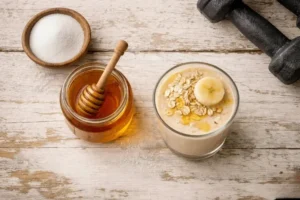
Honey’s sugars are absorbed fast, which can ease fatigue and nudge energy levels up. Some people drink it 30 minutes before workouts, matching the amount to their activity level and the exercise ahead. The risk is blood sugar spikes in people who are sensitive to sugar.
Honey is also a humectant, meaning it holds moisture, which is why it appears in claims about premature ageing; those claims concern skin products more than the drink.
The body clears waste on its own, so no drink speeds that up, and claims of liver repair or better liver health are weakly supported. Honey is no replacement for treating liver disease.
Honey water may play a small supporting role for the heart, but the evidence is preliminary and it is not a medical treatment.
Honey supplies potassium, calcium and magnesium, minerals tied to normal heart and bone function. The usual argument for its cardiovascular value rests on honey’s plant compounds and a mild anti-inflammatory effect.
A warm drink may also ease anxiety and calm the nervous system, and calmer evenings are good for any heart.
Anyone with an underlying health condition, especially a heart condition, should get personalised advice before adding honey water to a daily plan.
Honey water may support skin indirectly through fluid intake, but there is little direct evidence that drinking it produces glowing skin.
Honey contains B vitamins, and warm water is said to improve circulation, so the pairing is claimed to boost blood flow to the skin and keep blood vessels flexible. These are claims rather than measured results.
Honey’s antiseptic and antibacterial reputation explains its place in beauty products, though those effects apply to skin contact more than to a drink.
A squeeze of lemon makes the drink more appealing, yet it does not change how your body processes anything.
Honey water before bed helps mainly by easing a scratchy throat, not by changing your sleep chemistry.
A comforting warm cup at bedtime has a natural soothing effect that supports relaxation, and honey can ease a night cough. Warm vapour from the mug may also help clear nasal passages.
A pinch of pink Himalayan salt or cinnamon is sometimes added for winding down, but there is little evidence that any of this improves sleep itself.
Honey still raises blood glucose, so people managing blood sugar should keep a nightly cup occasional rather than routine.
The best time to drink honey with warm water is whenever it suits your day, because no solid research shows that first thing in the morning beats later.
As a morning wellness drink it may support bowel movements and ease constipation, and some people count it as part of a skincare routine from within. Both ideas rest on small claims, not trials.
In the evening, a bedtime ritual with honey water may calm you toward restorative sleep and a steadier mood.
Experts simply suggest fitting it into your eating routine and everyday habits. Honey water can be taken any time of day, as long as the sugar is counted.
Honey water is generally safe for healthy adults in small amounts, but a few groups need precautions: infants, people allergic to honey and anyone managing blood sugar.
Honey is still sugar. Its glycemic index is roughly 50–60, against 60–80 for table sugar, so it raises blood sugar a little more gradually, yet it can still trigger an insulin response. Keep sugar intake modest and respect a daily limit of one to two teaspoons.
| Group | Main concern | Guidance |
|---|---|---|
| Babies under 12 months | Botulism risk from spores | Never give honey |
| People managing blood sugar | Honey raises blood glucose | Keep portions small and ask a clinician |
| People allergic to bee products | Allergic response | Avoid honey |
| Anyone counting energy intake | Extra sugar | Count honey in the daily total |
Count the calories, because honey in water can sit alongside sugary snacks and quietly add up. Honey is said to calm acidity, but too much can cause gastrointestinal discomfort.
Babies are the clearest exception: unpasteurized honey may rarely contain Clostridium botulinum spores, which is why honey stays off the menu in the first year.
Three honey combinations are commonly suggested, each adding a different flavour or claimed benefit to the same warm base:
Prepare each one the same way: bring the water to a comfortable temperature, stir with a wooden utensil since it is best to avoid metal utensils, and give it a gentle stir for a few minutes.
Treat these as add-ons to your diet plan, not an everyday drink taken without moderation. A homemade mug is a simpler choice than packaged processed foods, but it carries sugar all the same.
Healthy adults can have 1–2 teaspoons of honey a day, counted as part of their total sugar. Start with 1 teaspoon in a mug; a tablespoon is about 21 grams. Larger amounts risk a sugar spike, and overconsumption harms dental health, so keep up oral hygiene to limit tooth decay. I take mine at mealtime so the sugar is not sipped all day.
Yes, most healthy adults can drink warm water with honey daily in small amounts, on an empty stomach or after a meal. Some people report less bloating and acid reflux and a mild lift in alertness and focus, though those reports are anecdotal. Stop if you notice allergic reactions, and consult your doctor if you manage a health condition.
Honey with warm water does not directly reduce weight; at best it supports a healthy lifestyle. It may kickstart a morning habit, but claims about metabolism, appetite and satiety are weak, and fat burning is not established. A small serving can satisfy a sweet craving and steady cravings, while daily excess leads to weight gain.
No, warm or lukewarm water is better than hot water with honey, because very high heat may break down some of honey’s more fragile qualities. Excess heat is said to destroy enzymes and antioxidants, so boiling water should be avoided. A suggested range is 100–110°F (37–43°C) using filtered water in a clean glass, though it is unclear exactly how heat alters honey’s natural compounds.
Yes, honey with warm water raises blood sugar, because honey is built from glucose and fructose. Count it within your daily carbohydrates. A 2025 meta-analysis of 69 randomised trials linked about 10 grams a day, roughly two teaspoons, or less to modest improvements in some blood sugar markers, while larger amounts did not. With diabetes or prediabetes, keep portions small and ask a healthcare professional.
No, warm water with honey cannot cure a sore throat, but it may soothe it. It can ease irritation and a dry throat, and it is said to loosen mucus and ease sinus pressure. See a clinician if symptoms persist.
Yes, warm water and honey is good for you as a comforting drink that adds modest support to daily wellness, not as a remedy. It is not a detox drink, since no drink removes toxins faster than your own body. Early claims link honey to gut bacteria, LDL, HDL and cholesterol, and it is sometimes suggested for a weakened immune system, but these ideas are preliminary.
Honey may support liver health slightly, but it is not a treatment for liver disease. Its antioxidants may limit oxidative stress from free radicals, yet the liver and kidneys already filter waste on their own, and no drink speeds that up.
Infants under one year should never be given honey because of the risk of infant botulism. People with uncontrolled diabetes or a honey allergy should also avoid it, and anyone managing blood sugar should start with ½ teaspoon, monitor their readings and ask their doctor.
The best time to eat honey is the morning for most people, though before a workout or in the evening also works. A spoonful about 30 minutes before exercise may support endurance. At night, honey’s sugars may raise insulin and help release serotonin, a neurotransmitter that converts to melatonin, though evidence for better sleep is thin.